
Aquaculture production
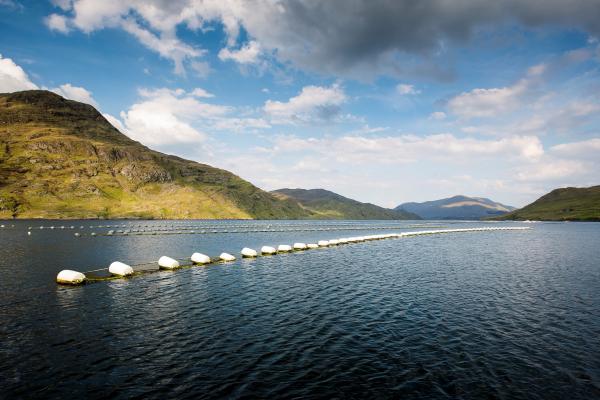
Aquaculture is one of the fastest growing food production sectors in the world and is an important contributor to global food supply and economic growth. In Europe, aquaculture plays a vital role in coastal and river areas and in preserving the maritime river and fishing culture.
In 2020, the EU aquaculture sector reached 1.2 million tons in sales volume and €3.9 billion in turnover value and directly employed around 57,000 people working for approximately 14,000 enterprises. The enterprises are primarily small and family-owned (STECF 22-17).
67% of the aquaculture production in the EU is concentrated in four countries: France, Greece, Spain, and Italy. More than half of the total aquaculture production volume focuses on shellfish, while marine and freshwater fish account for around 21% and 28% of the total volume. The most farmed species are mussels, trout, oysters, seabream, seabass, carp, and tuna (EU Aquaculture Infographic - Socioeconomic Development (2008 - 2020)).
Algae production is still limited in the EU but is increasing.
Sustainable aquaculture
The sustainable development of aquaculture is one of the main objectives of the common fisheries policy. Aquaculture production is also recognised by the European Green Deal as a source of “low carbon” protein for food and feed.
Aquaculture production is subject to licencing and monitoring procedures in EU countries and must comply with strict requirements under EU legislation and national legislation to ensure it respects human and animal health and the environment. The most important aspects in terms of environmental sustainability of EU aquaculture relate to: the assessment, monitoring and limitation of the environmental impact of aquaculture activities (e.g. in terms of nutrients and organic matter discharge from aquaculture farms in waters), the use of alien or locally absent species, feed ingredients for carnivorous fish (alternatives to wild fish), management of diseases and use of veterinary medicines and other substances with low environmental impact. Another increasingly important aspect is animal welfare in fish farming.
Media
Euronews Ocean: Traditional fishing and aquaculture: competitive business in harmony with nature
Professional fishers and fish farmers in parts of Spain and the Czech Republic are going about their business in a way that is both eco-friendly and able to earn them a living.
Euronews Ocean: Reducing plastic in fishing and aquaculture: what alternatives to protect our oceans?
In this episode of Ocean, we are zooming in on EU-supported projects that help solve the problem of plastic marine pollution caused by derelict fishing and aquaculture gear.
Euronews Ocean: European producers are making pollution-free aquaculture a successful business
Among all European countries, Ireland is the leader in clean aquaculture, producing around 30 thousand tons of organically certified fish and shellfish every year, meanwhile, Hungary produces as much organic seafood as France or Denmark.